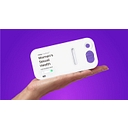
Visby Medical
Private Company
Funding information not available
Overview
Visby Medical is a commercial-stage diagnostics company pioneering rapid, portable PCR testing for consumer use. Its core innovation is a handheld, single-use PCR device that enables lab-quality molecular diagnostics outside traditional clinical settings, starting with an FDA-authorized at-home STI test. The company operates a direct-to-consumer e-commerce model, selling test kits online and providing integrated telehealth services for treatment. Visby aims to disrupt the diagnostics market by making complex testing simple, fast, and private, addressing significant gaps in sexual health screening.
Technology Platform
Proprietary, handheld, single-use PCR device that performs full molecular diagnostic testing (sample prep, amplification, detection) in about 30 minutes, enabling lab-quality testing at home or at the point-of-care.
Opportunities
Risk Factors
Competitive Landscape
Visby competes with other at-home STI test providers like Everlywell and LetsGetChecked (which use mail-in lab services), as well as traditional clinic and lab networks. Its primary differentiation is the speed (30-minute) and platform (true PCR at home). It also faces future competition from other companies developing point-of-care molecular devices for professional use.