Tian Medical
Private Company
Funding information not available
Overview
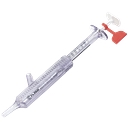
Tian Medical is a private medical device company commercializing the Tx360® Nasal Applicator, a patented, FDA-cleared device for targeted drug delivery to the sphenopalatine ganglion (SPG). Founded by interventional pain specialist Dr. Tian Xia, the company aims to modernize established SPG block procedures for conditions like cluster headaches and migraines. The device is already revenue-generating, distributed to hundreds of providers and institutions in the US, Canada, and Europe. Tian Medical operates at the intersection of medical devices and localized drug delivery, seeking to improve efficacy and reduce systemic medication exposure.
Technology Platform
Patented intranasal applicator for precise, trans-mucosal drug delivery to the sphenopalatine ganglion (SPG) nerves.
Opportunities
Risk Factors
Competitive Landscape
Competition includes traditional, non-standardized methods for SPG blocks (e.g., cotton-tipped applicators, simple catheters) and alternative neuromodulation devices for headache. The primary competitive challenge is displacing entrenched, low-tech habits rather than competing against other dedicated devices, though new entrants could emerge. The company also competes indirectly with the broader pharmaceutical market for migraine and pain therapeutics.