Theranano
Private Company
Funding information not available
Overview
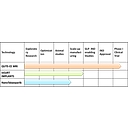
Theranano is a private, pre-revenue biotech company founded in 2015, advancing a pipeline of nanomedicine-based therapeutic and diagnostic platforms. Its lead programs include the InCeRT implant for localized cancer therapy, which is in IND-enabling studies, and the QUTE-CE MRI contrast agent, which is in a first-in-human clinical trial. The company leverages the scientific expertise of its founder, Dr. Srinivas Sridhar, and a team of domain experts in research, regulatory affairs, and manufacturing, with strategic access to Boston's medical research ecosystem.
Technology Platform
Nanomedicine platforms for localized drug delivery (InCeRT implantable spacers) and quantitative diagnostic imaging (QUTE-CE MRI contrast agent using magnetic nanoparticles).
Opportunities
Risk Factors
Competitive Landscape
Theranano competes in the crowded nanomedicine and targeted drug delivery space against both large pharmaceutical companies and numerous biotech startups. Its QUTE-CE MRI agent faces competition from established contrast agent manufacturers and new entrants in quantitative imaging. Differentiation relies on demonstrating superior clinical utility and successful translation of its unique implant and nanoparticle formulations.