Orlucent
Private Company
Total funding raised: $25M
Overview
Orlucent is pioneering a novel diagnostic approach for melanoma detection by targeting the biological process of tissue remodeling, a precursor to structural changes in the skin. Its core technology is a point-of-care system that uses a fluorescent peptide dye to bind to the αvβ3 integrin biomarker, associated with neoangiogenesis and stromal remodeling in early melanoma development. The company is currently conducting global clinical trials to validate its technology and establish diagnostic thresholds, positioning itself to address the significant limitations of visual, subjective mole evaluation and reduce unnecessary biopsies. As a private, pre-revenue diagnostics company, Orlucent aims to empower clinicians with real-time, objective data to improve early melanoma detection.
Technology Platform
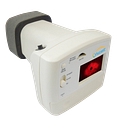
A handheld fluorescent molecular imaging system comprising a topical fluorescent peptide biotag targeting the αvβ3 integrin biomarker, a near-infrared handheld imager, and analysis software that generates a probability score for malignant tissue remodeling in suspicious moles.
Funding History
2Opportunities
Risk Factors
Competitive Landscape
Competes with other non-invasive skin imaging technologies like reflectance confocal microscopy (RCM) and electrical impedance spectroscopy (EIS), as well as genomic tests on biopsied tissue. Orlucent's differentiation lies in its focus on detecting specific biological activity (αvβ3 integrin) rather than structural changes, aiming to identify malignancy earlier in the transformation process.