Obatala Sciences
Private Company
Total funding raised: $1.4M
Overview
Obatala Sciences is a private, early-stage biotech company founded in 2017 and based in New Orleans, operating in the regenerative medicine and cell therapy sectors. The company has developed a proprietary platform centered on human-derived hydrogels (ObaGel®) and adipose tissue models (ObaCell®) to create physiologically relevant organ-on-a-chip systems for disease modeling and drug screening. Its core value proposition is enhancing preclinical research accuracy by capturing human biological diversity, thereby aiming to reduce drug development costs and failures. Obatala appears to be in an early revenue or pre-revenue stage, generating income through the sale of research kits and materials to the academic and pharmaceutical R&D markets.
Technology Platform
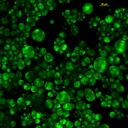
Human-derived hydrogel (ObaGel®) and adipose tissue organ-on-a-chip platform (ObaCell®) for creating physiologically relevant 3D cell culture models that incorporate donor diversity.
Funding History
2Opportunities
Risk Factors
Competitive Landscape
Obatala competes in the organ-on-a-chip and 3D cell culture market with companies like Emulate, Mimetas, and CN Bio. Its primary competitive differentiation is the use of human-derived hydrogels and a focus on adipose tissue models with built-in donor diversity, a niche not fully addressed by competitors using synthetic or animal-derived matrices.