Nuclera
Private Company
Total funding raised: $47.3M
Overview
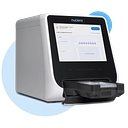
Nuclera has developed the eProtein Discovery™ system, a benchtop platform that integrates digital microfluidics, cell-free protein synthesis, and data analytics to revolutionize protein production. The system enables automated, parallel screening of protein constructs and conditions, delivering decision-grade data in 24 hours and assay-ready proteins in 48 hours. This approach aims to eliminate the traditional trial-and-error cycles in protein expression, significantly accelerating research in drug discovery and synthetic biology. The company is privately held and targets academic, biotech, and pharma researchers.
Technology Platform
eProtein Discovery™ system combining digital microfluidics, cell-free protein synthesis, and data analytics for automated, multiplex protein screening and production.
Funding History
2Opportunities
Risk Factors
Competitive Landscape
Nuclera competes with traditional contract research organizations (CROs) offering protein expression services and with in-house manual or semi-automated high-throughput methods in large pharma. Direct competitors may include other startups developing automated protein production platforms, while indirect competition comes from established life science tool giants (e.g., Thermo Fisher, Cytiva) that provide the reagents and equipment for conventional workflows.