IPS HEART
Private Company
Funding information not available
Overview
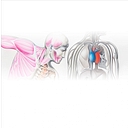
IPS HEART is a private, pre-clinical stage biotech founded in 2015 and based in San Diego, California. The company is pioneering iPSC-derived cellular therapies designed to regenerate functional muscle tissue for cardiac and skeletal muscle disorders, moving beyond symptomatic treatment to potential cures. It has garnered regulatory recognition from the FDA, including Orphan Drug and Rare Pediatric Disease Designations. The company is currently pre-revenue and is advancing a pipeline focused on two lead programs for heart failure and DMD.
Technology Platform
Proprietary platform using induced pluripotent stem cells (iPSCs) to generate an unlimited supply of cardiomyocytes and myocytes for allogeneic, off-the-shelf therapies aimed at regenerating heart and skeletal muscle.
Opportunities
Risk Factors
Competitive Landscape
In heart failure, competitors include large pharma with standard care drugs, device companies, and other cell therapy firms using different cell types (e.g., mesenchymal stem cells). In DMD, competition is fierce from gene therapy companies (e.g., Sarepta, Pfizer) and exon-skipping therapies, though IPS HEART's muscle regeneration approach is distinct from gene replacement or restoration strategies.